
You've got a window project on your mind. Maybe
it's a clean that's been overdue for months. Maybe it's a squeaky track that
won't shut properly. Maybe it's a full-blown replacement staring you in the
face.
The first question that pops into your head is
almost always the same: "Can I do this myself, or do I need to call
someone?"
It's a great question. The answer depends entirely
on what you're facing. Let me give you a realistic, honest guide to when DIY
makes sense and when it's time to bring in the pros.
The Honest Truth About DIY Window Projects
I'm a fan of doing things yourself. There's
genuine satisfaction in solving a problem with your own hands and saving money
in the process.
But I'm also a fan of honesty. Some window
projects are straightforward weekend jobs. Others are complex, dangerous, or
require specialist skills. Pretending otherwise only leads to frustration and
wasted money.
So, let's be realistic.
The DIY-Friendly Zone: Projects You Can Tackle Yourself
These are the jobs that most capable homeowners
can handle with the right tools and a bit of patience.
Cleaning Ground-Floor Windows.
If you can reach your windows safely from the
ground, you can clean them yourself. The key is using proper window cleaning
equipment. A cheap supermarket squeegee will give you cheap
supermarket results. Invest in a professional-grade squeegee, a good scrubber,
and a proper cleaning solution. You'll be amazed at the difference.
For windows on the second storey, an extension
pole lets you clean safely from the ground. Just make sure you practice your
technique before going high.
Track Cleaning and Lubrication.
Sticky windows are almost always caused by dirty
tracks. This is a simple fix. Vacuum the track, scrub with a stiff brush, and
apply a silicone-based lubricant. Avoid oil-based products—they attract dirt
and make the problem worse.
Replacing Weatherstripping.
Drafty windows are uncomfortable and expensive.
Replacing worn weatherstripping is one of the easiest DIY fixes in home
maintenance. The self-adhesive strips cost very little and take minutes to
install.
Removing Minor Paint Overspray.
If your windows have paint splatter from a recent
renovation, a razor blade holder and careful technique can remove it without
scratching the glass. Use a shallow angle and plenty of water or lubricant.
Installing Window Film.
Privacy film or solar control film can be a great
DIY project. Just clean the glass thoroughly, apply with soapy water, and
squeegee out the bubbles. Patience is your best tool here.
The Pro-Only Zone: Projects Best Left to the Experts
These are the jobs where DIY stops making sense
and starts becoming a liability.
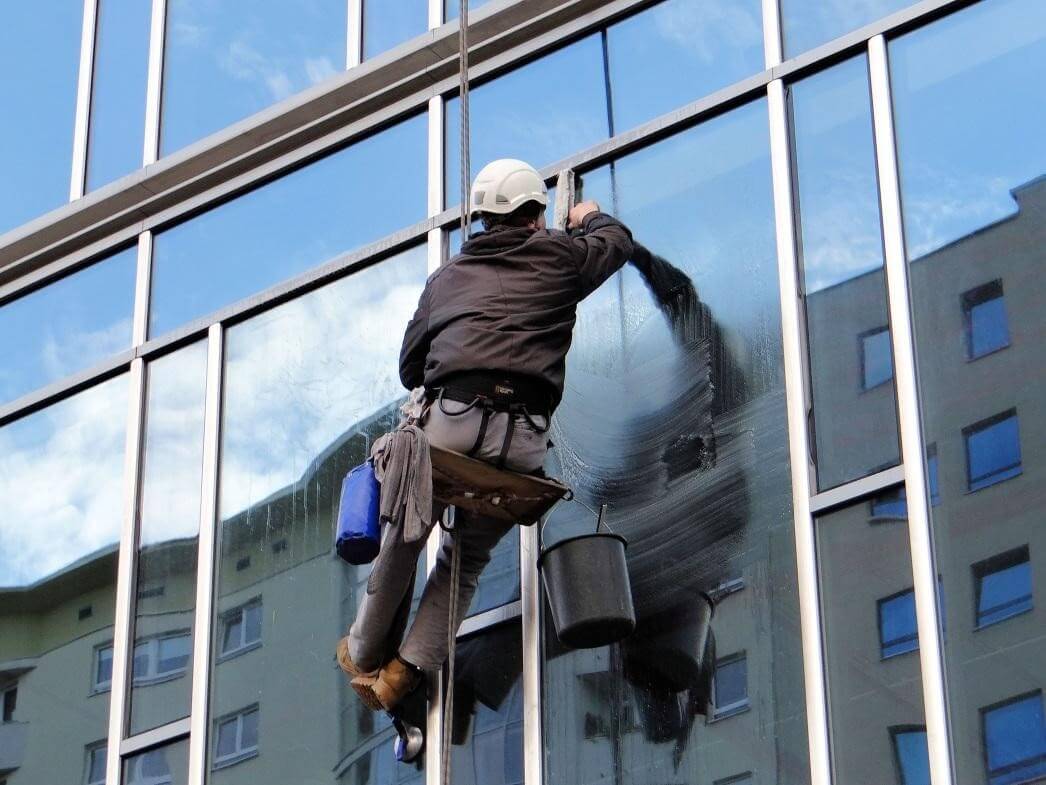
Cleaning High or Hard-to-Reach Windows.
If you need a ladder that goes above the first
floor, stop. Seriously. Ladder accidents are one of the most common causes of
serious injury in home maintenance. Professional window cleaners have the
training, the equipment, and the insurance to work at height safely.
Stubborn Hard Water Stains.
A light mineral deposit might respond to a DIY
water spot remover. But if the stains are years old, etched into the glass, or
you've tried everything and they won't budge, call a pro. They have industrial-strength restoration chemicals and techniques
that can save glass you thought was ruined.
Repairing Broken Springs or Balances.
If your window won't stay open, there's a broken
spring or sash cord inside the frame. This is a complex internal repair.
Attempting it yourself risks damaging the frame or injuring yourself.
Removing Broken Glass.
This is as dangerous as it sounds. Broken glass
edges are razor-sharp. Professional glaziers have the tools and experience to
remove and replace broken panes safely.
Full Window Replacement.
There's a reason this is a licensed trade. Proper
installation affects energy efficiency, water resistance, and structural
integrity. A poorly installed window will cost you more in the long run than
the money you saved on installation.
Failed Seals (Fogged Glass).
If there's moisture between the panes, the seal
has failed. No amount of cleaning will fix this. While some DIYers attempt to
drill holes and dry out the space, professional replacement of the sealed unit
is the only reliable solution.
The Cost Equation
Here's a simple rule of thumb.
If the equipment you need costs more than hiring a
professional would, hire the professional.
If the job carries any risk of injury or property
damage, hire the professional.
If you don't have the time, patience, or
confidence to do the job properly, hire the professional.
DIY makes sense for routine maintenance and small
projects. For anything complex, dangerous, or specialised, the professional is
almost always the smarter choice.
The Smart Homeowner's Approach
Here's the approach that makes the most sense.
Keep a well-stocked toolkit for the jobs you can
do safely and effectively. Clean your own ground-floor windows. Lubricate your
own tracks. Replace your own weatherstripping. It saves money and keeps your
windows in good condition between professional visits.
Then, know your limits. When you face a job that's
high, complex, or stubborn, call in the pros. Your safety and your property are
worth the investment.
Ready to tackle your
next window project? Shop professional-grade tools and supplies for the DIY
jobsor book a professional service with Acorn Window Cleaning for the jobs that need expert attention.


.jpg)



0 Comments